When homeowners search for “home siding,” they’re usually looking for a durable, cost‑effective way to boost curb appeal, improve energy efficiency, and protect their property from the elements. The right siding solution can lower heating bills by up to 15 percent, increase resale value by 5‑7 percent, and require minimal maintenance for decades. To start, assess your climate, budget, and style preferences, then choose a material that balances performance with aesthetics. For a deeper dive into material‑specific considerations, see our Siding Replacement 2026 guide which breaks down costs, installation steps, and ROI for each option.
Why Home Siding Matters: Core Benefits Explained

Beyond the visual upgrade, siding serves as the first line of defense against moisture infiltration, wind pressure, and UV degradation. In 2026, the National Association of Home Builders (NAHB) reported that properly installed exterior cladding reduced water‑related warranty claims by 23 percent compared with homes lacking a quality siding system. The most compelling benefits include:
- Weather resistance: Modern fiber‑cement and vinyl products are engineered to withstand high winds up to 150 mph, making them ideal for coastal regions.
- Energy savings: Insulated siding panels can add R‑2.5 to R‑5.0 to a wall assembly, lowering heating and cooling loads.
- Low maintenance: Unlike wood, contemporary siding resists rot, insect damage, and fading, requiring only occasional cleaning.
- Increased property value: According to Zillow’s 2026 market analysis, homes with updated siding fetched an average premium of $12,500.
Choosing the Right Siding Material for Your Home
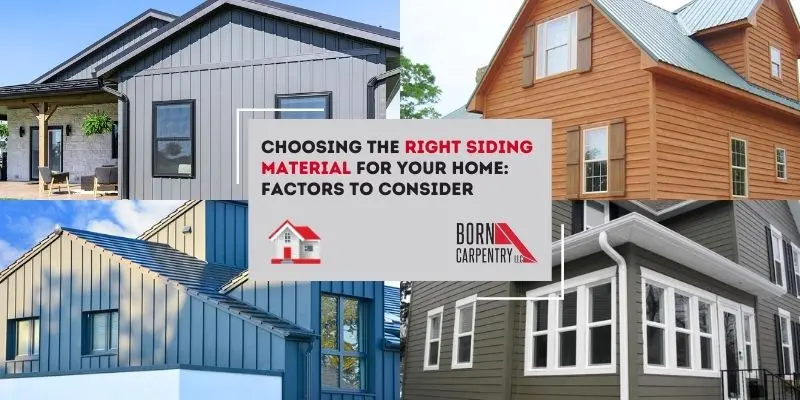
Today’s market offers a spectrum of options, each with distinct performance metrics and aesthetic qualities. Below is a concise comparison of the most popular choices, anchored in the latest 2026 industry data.
Vinyl Siding
Vinyl remains the most widely used material, accounting for 42 percent of all new siding installations in the United States, according to the Siding Industry Association (SIA) 2026 report. Its advantages include:
- Affordability: Average installed cost ranges from $4 to $7 per square foot.
- Color variety: Over 300 factory‑finished hues eliminate the need for painting.
- Weatherproofing: Modern formulations incorporate UV inhibitors and impact‑resistant cores.
For a comprehensive analysis of vinyl’s ROI, refer to our Vinyl Siding Uncovered guide.
Fiber‑Cement Siding (Hardie Board)
Fiber‑cement combines cement, sand, and cellulose fibers, delivering a product that mimics wood grain while offering superior fire resistance (Class A rating). The 2026 Hardie Board market study shows:
- Longevity: Expected lifespan of 40‑50 years with proper maintenance.
- Energy efficiency: When paired with insulated backings, it can achieve R‑4.0.
- Eco‑friendliness: Contains 30 percent recycled content, reducing embodied carbon.
Our Hardie Board 2026 definitive guide details installation nuances and cost‑benefit analysis.
Engineered Wood Siding
Engineered wood, made from reclaimed wood fibers bonded with resin, offers the warm aesthetics of traditional wood with enhanced durability. According to the 2025 Wood Products Council, engineered wood siding can resist rot up to 25 percent longer than untreated timber.
Metal Siding
Aluminum and steel panels are gaining traction in modern architecture for their sleek look and recyclability. The 2026 Metal Roofing Alliance notes that metal siding can reflect up to 70 percent of solar radiation, contributing to lower cooling loads in hot climates.
Installation Process: What Homeowners Should Expect
While DIY enthusiasts may be tempted to tackle siding themselves, professional installation typically ensures better weatherproofing, warranty compliance, and a smoother finish. Below is a step‑by‑step overview of a standard siding installation, applicable across most material types.
- Pre‑installation inspection: Verify that the sheathing, house wrap, and flashing are intact. Replace any damaged sections to avoid moisture trapping.
- Measurement and material ordering: Precise measurements prevent waste and ensure a seamless look. Most contractors order a 5‑10 percent overage for cuts and errors.
- Weather barrier application: A high‑quality house wrap (e.g., Tyvek®) provides an additional layer of protection against drafts.
- Starter strip and trim installation: These components anchor the siding at the base and corners, allowing for proper drainage.
- Siding attachment: Panels are secured using corrosion‑resistant nails or screws, following manufacturer‑specified spacing.
- Finishing touches: Install soffit, fascia, and any decorative trim. Seal joints with exterior‑grade caulk to prevent water infiltration.
- Inspection and cleanup: A final walkthrough ensures all seams are sealed and the site is cleared of debris.
Choosing a reputable contractor can make a significant difference. Our Find Trusted Siding Installers Near Me guide outlines criteria for vetting professionals, including licensing, insurance, and past project references.
Cost Overview: Budgeting for Your Siding Project
In 2026, average total costs (materials + labor) vary widely based on material, square footage, and regional labor rates. Below is a snapshot of typical price ranges per square foot, sourced from HomeAdvisor’s 2026 Cost Guide:
| Material | Installed Cost (USD) | Typical Lifespan |
|---|---|---|
| Vinyl | $4 – $7 | 20–30 years |
| Fiber‑Cement (Hardie Board) | $8 – $12 | 40–50 years |
| Engineered Wood | $6 – $9 | 25–35 years |
| Metal | $9 – $13 | 30–40 years |
When evaluating ROI, factor in energy savings, reduced maintenance, and resale value. A 2026 study by the Department of Energy (DOE) found that homes with insulated siding saved an average of $450 per year on utility bills.
Common Mistakes to Avoid During Siding Projects
- Skipping the house wrap: Even with a high‑quality siding product, a missing vapor barrier can lead to mold and structural rot.
- Improper flashing: Incorrectly installed flashings around windows and doors create leak pathways.
- Using the wrong fastener type: Galvanized nails may corrode under certain conditions; stainless steel or coated fasteners are recommended for coastal areas.
- Neglecting expansion gaps: Siding materials expand and contract with temperature changes; failing to leave adequate gaps leads to buckling.
Real‑World Case Study: A Florida Home’s Siding Upgrade
In June 2026, a 2,500‑square‑foot residence in Miami replaced its aging vinyl siding with fiber‑cement panels. The homeowner partnered with a locally vetted contractor from our Top Siding Companies 2026 guide. Key outcomes included:
- Cost: $11,200 total (including premium insulated backings).
- Energy impact: HVAC consumption dropped 13 percent, saving $620 annually.
- Resale boost: Appraisal three months post‑install added $15,000 to market value.
- Maintenance: No repainting required; annual cleaning with a garden hose suffices.
This case underscores how selecting a higher‑perform material can pay for itself within a few years.
Future Trends: What’s Next for Home Siding in 2027 and Beyond
Industry analysts predict three major trends shaping the next wave of siding solutions:
- Smart Siding Systems: Integrated sensors that monitor moisture levels, temperature, and structural movement are expected to become mainstream by 2028, according to a report by the Building Smart Alliance.
- Bio‑Based Composites: Manufacturers are developing composites using agricultural waste (e.g., wheat straw) that promise comparable durability with a lower carbon footprint.
- Customizable Textures via 3‑D Printing: Early prototypes enable homeowners to order panels with bespoke patterns, merging design freedom with factory precision.
Staying informed about these innovations can help homeowners future‑proof their investments.
Frequently Asked Questions (FAQ)
What is the best siding material for humid climates?
Fiber‑cement siding, especially brands like Hardie Board, offers excellent moisture resistance and mold‑inhibiting properties, making it ideal for humid regions.
Can I install siding over existing wood clapboard?
Yes, but it requires proper weather‑barrier installation and possibly furring strips to achieve a flat surface. Consult a professional to verify structural suitability.
How long does siding installation typically take?
For an average 2,000‑square‑foot home, a crew of three installers can complete the job in 5‑7 business days, weather permitting.
Do I need to repaint fiber‑cement siding?
Factory‑finished fiber‑cement comes pre‑painted with a UV‑stable coating that can last 15‑20 years. Repainting is only necessary if the finish is damaged.
Is siding covered by homeowner’s insurance?
Most standard policies cover siding damage caused by perils such as fire, wind, or hail. However, wear‑and‑tear or neglect is typically excluded.
Conclusion: Making an Informed Decision for Your Home
Choosing the right home siding is a blend of science, aesthetics, and long‑term financial planning. By understanding material performance, realistic costs, and the importance of professional installation, homeowners can achieve a durable, energy‑efficient envelope that enhances curb appeal and maximizes resale value. Whether you opt for budget‑friendly vinyl, fire‑rated fiber‑cement, or the sleek look of metal, the key is to align the choice with your climate, budget, and design goals. Start by consulting a vetted installer and reviewing material guides—your home’s future comfort depends on it.
