To create an office interior design that boosts productivity, reflects brand identity, and supports employee well‑being, start by mapping the workflow and choosing adaptable, ergonomic solutions. This approach is proven to cut real‑estate costs by up to 15 % while increasing staff satisfaction, according to a 2026 study by the International Facility Management Association (IFMA). For a deeper look at cost‑benefit analysis across building projects, see the complete guide to benefits of aluminum siding, which illustrates how material choices affect long‑term ROI.
Why Office Interior Design Matters in 2026
Modern businesses recognize that the office environment is a strategic asset rather than a mere expense. The 2026 Workplace Trends Report from the Global Office Design Council shows that companies investing in thoughtful interior design see a 12 % rise in employee retention and a 9 % increase in client‑perceived professionalism. These metrics stem from three core factors:
- Workspace ergonomics: Adjustable desks, task lighting, and acoustically treated zones reduce fatigue.
- Open‑plan office dynamics: Flexible layouts encourage collaboration while providing privacy pods for focused work.
- Biophilic design elements: Incorporating natural light, greenery, and organic materials improves mental health.
Key Elements of a High‑Performance Office Interior
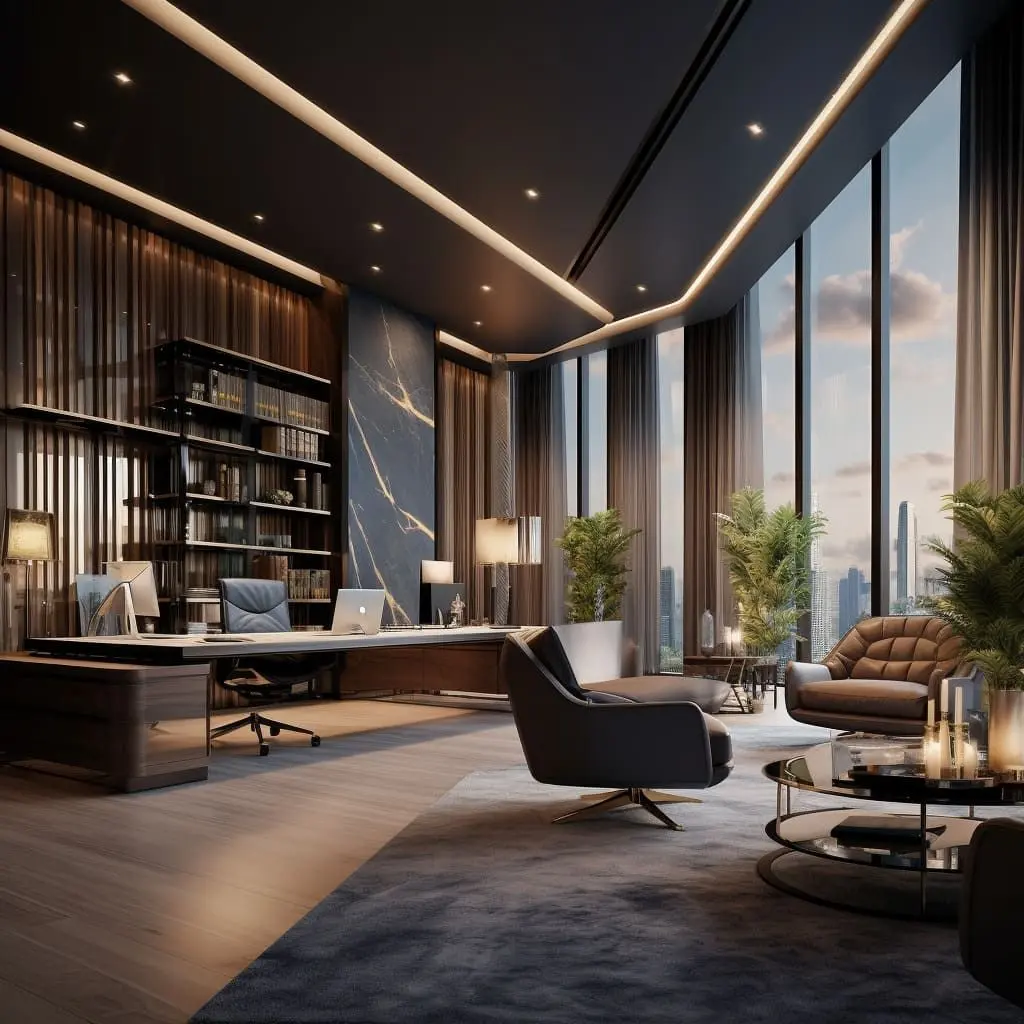
1. Ergonomic Furniture and Spatial Planning
Ergonomic furniture should be the foundation of any redesign. Choose chairs with adjustable lumbar support and desks that can transition between sitting and standing. A 2025 survey by the Occupational Safety and Health Administration (OSHA) reported a 23 % drop in musculoskeletal complaints after companies upgraded to ergonomically certified furniture.
2. Adaptive Layouts for Hybrid Work
Hybrid work models demand spaces that can shift quickly. Modular wall systems, mobile partitions, and multi‑purpose furniture enable teams to reconfigure areas for meetings, solo tasks, or social gatherings within minutes. This fluidity also aligns with corporate branding, allowing color‑coded zones that reinforce departmental identity.
3. Sustainable Materials and Finishes
Choosing environmentally responsible materials not only meets ESG goals but also enhances indoor air quality. Low‑VOC paints, reclaimed wood, and recycled metal panels have become standard. When evaluating material costs, compare them to long‑term maintenance savings—similar to how homeowners assess home siding options for durability and ROI.
4. Technology Integration
Smart office solutions—such as occupancy sensors, automated climate control, and integrated video‑conferencing hubs—streamline operations. According to a 2026 Gartner report, offices that adopted IoT‑enabled lighting reduced energy consumption by 18 %.
5. Biophilic Design and Wellness Spaces
Integrating living walls, indoor gardens, and daylight harvesting creates a connection to nature that research from the University of Michigan links to a 14 % boost in creativity. Even small touches, like desk‑top succulents or a centrally located water feature, can have measurable effects on mood.
Step‑by‑Step Guide to Implementing Office Interior Design
- Assess Needs and Goals: Conduct employee surveys and workflow analyses to identify bottlenecks and desired amenities.
- Set a Realistic Budget: Allocate funds across three categories—core infrastructure (40 %), aesthetics & branding (30 %), and technology (30 %). Use case studies like the top siding companies guide to benchmark cost expectations.
- Select a Design Partner: Look for firms with a portfolio in corporate interiors and certifications in sustainable design (LEED, WELL).
- Develop a Master Plan: Create detailed floor plans, material boards, and 3‑D renderings. Incorporate flexible zones and future‑proofing provisions.
- Prototype and Test: Set up a pilot area to gather real‑time feedback on lighting levels, acoustic comfort, and furniture ergonomics.
- Roll Out in Phases: Implement changes floor by floor to minimize disruption, while continuously monitoring key performance indicators (KPIs) such as occupancy rates and employee satisfaction scores.
Common Mistakes to Avoid
Even seasoned managers can stumble. Here are pitfalls that undermine design success:
- Ignoring Acoustic Needs: Open plans can become noisy. Install acoustic panels or sound‑masking systems early.
- Overlooking Maintenance: High‑gloss finishes may look sleek but can show wear quickly; choose durable finishes that match the replacement lifecycle of building materials.
- Neglecting Brand Cohesion: Random décor choices dilute corporate identity. Use a unified color palette and signage system.
- Underestimating Change Management: Employees need orientation on new spaces and technology; provide training sessions.
Real‑World Case Study: Tech Startup Revamps Its Headquarters
In early 2026, a fast‑growing fintech startup in Austin transformed a 10,000 sq ft warehouse into a collaborative campus. The design team began with a workflow audit that revealed a need for 30 % more private meeting rooms. By installing modular glass partitions and a central biophilic atrium, the company reported a 20 % increase in cross‑functional project completion rates within six months. The total investment was $2.3 million, with an estimated payback period of 3.5 years, mirroring ROI calculations found in the gutter leaf guard guide for cost‑effective building upgrades.
Future Outlook: Trends Shaping Office Interiors Post‑2026
Looking ahead, three emerging trends will dominate:
- Hybrid‑Ready Micro‑Spaces: Compact, technology‑rich pods that support both in‑person and virtual collaboration.
- AI‑Driven Space Optimization: Real‑time analytics will adjust lighting, temperature, and desk allocation based on occupancy patterns.
- Resilient Design for Health Crises: Touchless entry, antimicrobial surfaces, and enhanced ventilation will become baseline standards.
FAQ
What is the ideal square footage per employee in 2026?
Industry benchmarks suggest 150–200 sq ft per person for hybrid environments, balancing collaborative zones with personal workstations.
How can I incorporate branding without overwhelming the space?
Use subtle accent walls, custom‑etched glass, and branded furniture finishes. Limit bold colors to focal points like reception or conference rooms.
Are there cost‑effective ways to add biophilic elements?
Yes—start with large windows, low‑maintenance indoor plants, and reclaimed wood accessories. Even a single living wall can deliver a 5 % improvement in employee mood scores.
What ROI can I expect from a comprehensive office redesign?
According to the 2026 Global Office Design Council, a well‑executed redesign yields an average ROI of 12–18 % through reduced turnover, lower energy costs, and enhanced client perception.
Conclusion
Office interior design in 2026 is no longer about aesthetics alone; it is a strategic lever that influences productivity, employee health, and brand perception. By prioritizing ergonomic furniture, adaptive layouts, sustainable materials, and technology integration, organizations can create environments that adapt to evolving work models while delivering measurable financial returns. Start with a clear assessment, follow the phased implementation roadmap, and avoid common pitfalls to ensure your office space becomes a catalyst for growth.
