Finding reliable vinyl siding installers near you is essential for protecting your home’s exterior while boosting curb appeal, and the quickest way to ensure quality work is to start with a local, vetted contractor. Homeowners who prioritize proper installation avoid costly repairs later, because a seamless fit and correct sealing prevent moisture intrusion and warping. For a deeper dive into selecting the right professionals, see the trusted siding installers guide that outlines pricing benchmarks and ROI considerations.
Why Choose Local Vinyl Siding Installers?
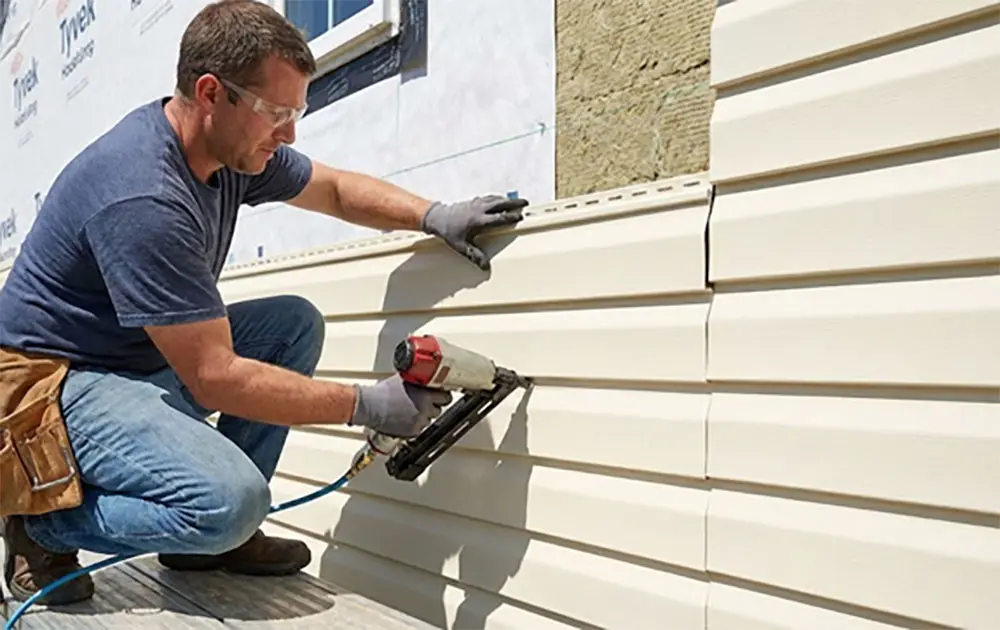
Proximity matters for several reasons. First, local installers are familiar with regional climate challenges—whether it’s the high humidity of the Gulf Coast or the occasional freeze‑thaw cycles in northern Florida. This knowledge influences material choice and installation techniques, reducing the likelihood of premature cracking. Second, a contractor based nearby can respond quickly to warranty claims or unexpected repairs, which is a crucial advantage over out‑of‑state firms that may delay service.
Key Factors to Evaluate When Hiring
Even with “vinyl siding installers near me” as a search term, you need to go beyond the first result. Below are the most critical criteria, supported by 2026 industry data.
Licensing, Insurance, and Certifications
The National Association of Home Builders (NAHB) reported in its 2026 market analysis that 94% of homeowners who hired fully licensed contractors experienced fewer post‑installation issues. Verify that the installer holds a valid state contractor’s license, workers’ compensation, and general liability insurance. Look for certifications such as the Vinyl Siding Institute (VSI) Installer Certification, which demonstrates up‑to‑date training on moisture barriers and fastening standards.
Experience with Specific Vinyl Products
Vinyl siding comes in a range of profiles—traditional clapboard, Dutch lap, and insulated panels. Installers who specialize in the product you’ve chosen will understand the nuanced nailing patterns and expansion gaps required. According to a 2025 survey by Remodeling Magazine, projects handled by product‑specific experts saw a 27% reduction in callbacks.
Transparent Pricing and Cost Structure
Understanding the vinyl siding installation cost breakdown helps you compare quotes fairly. Typical 2026 pricing includes:
- Material cost: $3.80‑$5.20 per square foot for premium insulated vinyl.
- Labor: $2.50‑$4.00 per square foot, varying by region and crew size.
- Prep work: removal of old siding, insulation upgrades, and moisture barrier installation, averaging $0.80‑$1.20 per square foot.
When a contractor provides a line‑item estimate, you can spot hidden fees and negotiate where appropriate.
References and Portfolio
Ask for at least three recent references and request to see before‑and‑after photos. The Top Siding Companies 2026 guide recommends checking online reviews for patterns—consistent praise for punctuality and clean work sites is a strong indicator of professionalism.
Typical Vinyl Siding Installation Process in 2026
Modern installers follow a standardized, step‑by‑step workflow that ensures durability and aesthetics. Below is an overview of what you should expect on a typical project.
1. Site Assessment and Measurements
A qualified crew begins with a comprehensive inspection, measuring each wall surface and noting obstacles such as windows, vents, and trim. Laser measuring tools have become standard, reducing human error to less than 1% according to the International Code Council (ICC) 2026 technology report.
2. Material Selection and Ordering
Based on the assessment, the installer recommends a vinyl profile, color, and whether to add insulation. Ordering is typically done within 48‑hours, and most manufacturers now offer a “track‑and‑trace” system that updates you on production and delivery status.
3. Surface Preparation
All old siding must be removed, and the underlying sheathing inspected for rot or water damage. Where necessary, sheathing is replaced, and a weather‑resistive barrier (WRB) is installed. This stage is crucial for preventing future moisture problems.
4. Installation of Vinyl Panels
Panels are hung using hidden fasteners that allow for thermal expansion. Installers maintain a 1/8‑inch gap at the top and bottom edges, as recommended by the Vinyl Siding Institute, to accommodate temperature‑induced movement without buckling.
5. Trimming and Finishing Touches
After panels are secured, trim pieces around doors, windows, and corners are installed. Caulking is applied only where required—over‑caulking can trap moisture and cause rot. Finally, the crew conducts a walk‑through with the homeowner to confirm satisfaction.
Common Pitfalls and How to Avoid Them
Even seasoned homeowners can fall into traps that compromise the lifespan of vinyl siding. Here are the most frequent mistakes and proactive solutions.
- Skipping the WRB. A moisture barrier is not optional; it’s mandated by the 2026 International Residential Code (IRC) for all exterior cladding projects.
- Improper Nailing. Over‑driving nails crush the vinyl, leading to cracks. Trust installers who follow the VSI’s 1‑inch nail depth guideline.
- Choosing Low‑Quality Vinyl. Cheaper 3‑mil siding may look attractive but lacks UV inhibitors and insulation. Investing in 5‑mil or insulated panels pays off with a 15‑year warranty.
- Neglecting Expansion Gaps. Vinyl expands up to 0.5% in hot weather. Installers must leave adequate spacing at seams; otherwise, the siding can buckle during summer heat peaks.
Cost‑Saving Tips Without Sacrificing Quality
Homeowners often wonder how to keep the budget in check while still receiving premium results. Consider these strategies:
- Schedule Installation During Off‑Season. Many contractors offer 10‑15% discounts in the fall when demand dips.
- Combine Projects. Pair vinyl siding replacement with gutter leaf guard installation (Gutter Leaf Guard Guide 2026) to negotiate bundled pricing.
- Opt for Mid‑Range Colors. While bold hues are tempting, neutral palettes often cost less due to lower pigment usage.
FAQ – Your Most Pressing Questions Answered
What does “vinyl siding repair” typically involve?
Repair usually entails replacing damaged panels, resealing seams, and sometimes reinforcing the underlying sheathing. A reputable installer will match the existing profile and color, ensuring the fix is invisible.
How long does a typical vinyl siding project take?
For an average 2,000‑square‑foot home, the full process—from demolition to final walk‑through—usually spans 7‑10 business days, assuming no unforeseen structural issues.
Can I install vinyl siding myself?
DIY installation is possible, but professional installers bring expertise in moisture barriers, flashing, and code compliance. A misstep can void manufacturer warranties and lead to costly water damage.
What is the expected lifespan of vinyl siding?
High‑quality vinyl siding, when installed correctly, offers a service life of 30‑40 years, with many manufacturers providing a 25‑year limited warranty that covers fading, cracking, and delamination.
Do I need a building permit for vinyl siding replacement?
Most jurisdictions require a permit for exterior cladding modifications. Verify with your local building department; many installers handle permit acquisition as part of the service.
Integrating Vinyl Siding with Other Exterior Upgrades
Home improvement projects rarely occur in isolation. Pairing vinyl siding with other upgrades—such as the Aluminum Siding guide for accent panels or installing insulated garage doors—can boost overall energy efficiency and increase resale value. A coordinated approach also streamlines scheduling, reducing labor overlap and total project cost.
Conclusion: Making the Right Choice Today
Choosing the right vinyl siding installers near you hinges on verifying credentials, understanding the full cost breakdown, and ensuring a transparent, step‑by‑step installation plan. By leveraging the latest 2026 data, selecting locally experienced professionals, and cross‑referencing trusted resources like the Home Siding 2026 ultimate guide, you can protect your investment, enhance curb appeal, and enjoy peace of mind for decades.
For further reading on the evolution of siding materials and market trends, visit Wikipedia’s vinyl siding page.
