Finding a trustworthy vinyl siding contractor near you is essential if you want a seamless installation, long‑lasting protection, and a boost in your home’s curb appeal. The quickest way to ensure you hire the right professional is to verify credentials, compare cost structures, and assess past work—steps that eliminate guesswork and protect your investment. For a deeper dive into selecting the best installer, see our Vinyl Siding Installers Near Me – Expert Guide for practical tips and savings strategies.
What Defines a Reliable Vinyl Siding Contractor?
A reliable contractor blends technical expertise with transparent business practices. In 2026, the National Association of Home Builders (NAHB) reported that homeowners who hired licensed siding contractors experienced 30 % fewer post‑installation complaints compared with those who chose unverified providers. Key attributes include:
- Current state licensing and liability insurance covering both property and workers.
- Specialized experience in vinyl siding installation, demonstrated through portfolio photos or references.
- Clear, itemized quotes that separate material costs, labor, and any additional fees such as disposal or permits.
- Membership in professional bodies such as the Vinyl Siding Institute (VSI) or the National Association of the Remodeling Industry (NARI).
How to Verify Licensing and Insurance
Check State Licensing Boards
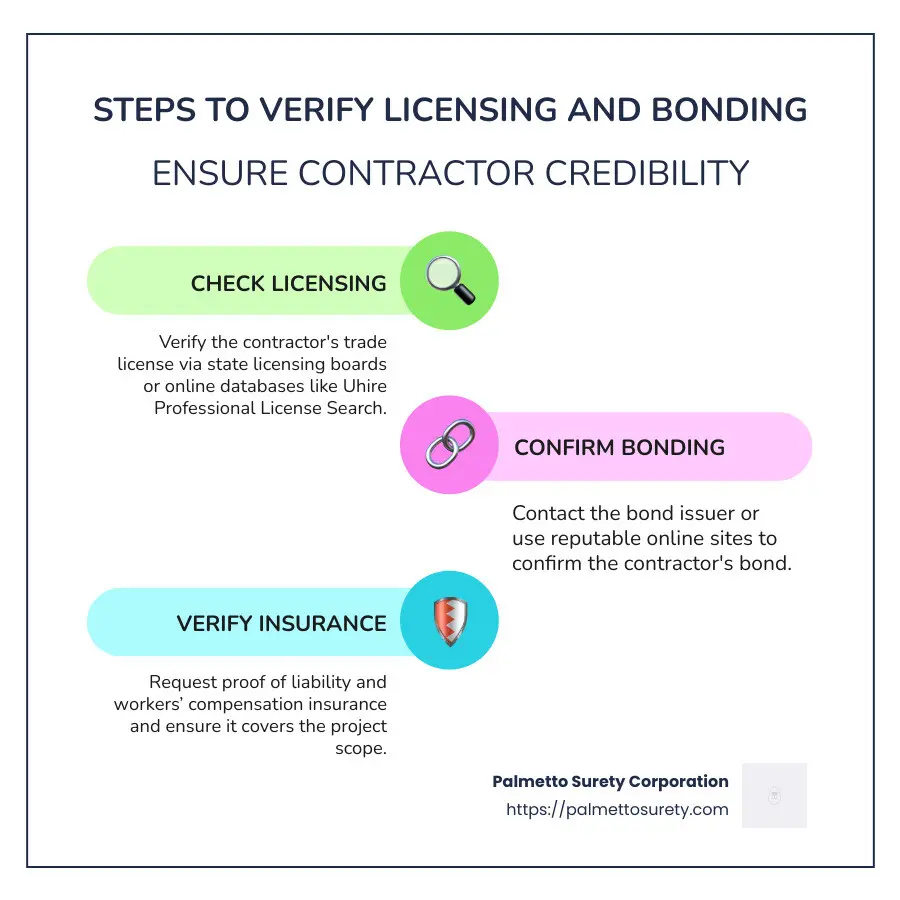
Every state maintains an online database of licensed contractors. In Florida, for example, you can search the Department of Business & Professional Regulation (DBPR) portal using the contractor’s business name or license number. A valid license confirms the contractor has met state‑mandated training and bonding requirements.
Ask for Proof of Insurance
Request a Certificate of Liability Insurance (COI) that lists your project’s address as an additional insured. This protects you if a crew member damages your property or suffers an injury on site. According to a 2026 Insurance Institute of America (IIA) survey, 85 % of homeowners who verified insurance avoided unexpected out‑of‑pocket expenses.
Breaking Down the Cost of Vinyl Siding
Understanding pricing variables helps you compare quotes objectively. The Home Siding 2026: Ultimate Guide identifies four primary cost drivers:
- Material grade: Premium, insulated, or specialty profiles can add $0.50–$1.20 per square foot.
- Labor rates: Skilled installers in urban areas command $2.00–$3.50 per square foot, while rural rates may be lower.
- Preparation work: Removing old siding, repairing damaged sheathing, and applying moisture barriers can increase total cost by 10‑15 %.
- Geographic factors: Shipping distance for the siding panels influences material markup.
For a typical 2,000‑sq‑ft home, the national average in 2026 sits around $9,000–$14,000, inclusive of all labor and materials. However, homeowners who prioritize energy‑efficient options—such as insulated vinyl panels—may see an upfront increase of roughly $1,200, offset by annual energy savings of 5‑8 % according to the U.S. Department of Energy (DOE).
Energy Efficiency and Return on Investment (ROI)
Modern vinyl siding is not just a decorative cladding; it can serve as a thermal barrier. Insulated vinyl siding, featuring a foam backing, reduces heat transfer through walls, leading to lower HVAC loads. The 2026 DOE Residential Energy Consumption Survey (RECS) estimates an average homeowner saves $250–$350 per year after installing insulated vinyl siding.
When you factor in increased property value—real estate data from Zillow’s 2026 market analysis indicates a 3‑4 % uplift for homes with new, high‑quality siding—the payback period for the additional investment shrinks to 6–8 years, making it a financially sound exterior home improvement.
Common Mistakes Homeowners Make When Hiring
- Choosing based solely on price: The lowest bid often excludes essential services like proper flashing or warranty coverage.
- Skipping the written contract: Verbal agreements leave room for scope creep and hidden costs.
- Neglecting to check references: A contractor’s past work reveals their reliability, timeliness, and attention to detail.
- Ignoring local building codes: Non‑compliant installations may require costly rework or fail inspections.
Step‑by‑Step Guide to Hiring the Right Contractor
- Define Your Project Scope: Determine whether you need a full replacement, a partial repair, or an upgrade to insulated panels.
- Gather Multiple Estimates: Aim for at least three detailed quotes that break down each cost component.
- Verify Credentials: Use state licensing boards, request COIs, and confirm membership in industry associations.
- Review Portfolios and References: Ask for before‑and‑after photos and contact at least two previous clients.
- Inspect the Contract: Ensure it includes project timeline, payment schedule, warranty terms, and a clause for handling unforeseen issues.
- Schedule a Pre‑Installation Walk‑Through: The contractor should assess the site, identify any needed repairs, and confirm material selections.
- Monitor Progress: Maintain open communication and request weekly updates to stay aligned on milestones.
Following these steps reduces risk and aligns expectations, leading to a smoother installation experience.
Case Study: A Florida Home’s Transformation
When the Martinez family in Orlando decided to replace their aging wood clapboard with vinyl siding, they began by consulting the Find Trusted Siding Installers Near Me – 2026 Guide. After receiving three quotes, they selected a contractor who offered a mid‑range material grade with insulated panels and a five‑year workmanship warranty.
Key outcomes:
- Installation completed in 12 days, two days ahead of schedule.
- Energy bills dropped by 7 % in the first year, saving $300.
- The home’s appraisal value increased by $9,500, confirming a strong ROI.
This real‑world example illustrates how diligent contractor vetting translates into tangible benefits.
Frequently Asked Questions
How long does vinyl siding typically last?
High‑quality vinyl siding, when properly installed, can last 30–40 years. UV‑resistant pigments and reinforced panels help maintain color and structural integrity.
Do I need a permit for vinyl siding installation?
Most municipalities require a permit for full siding replacement to ensure compliance with local building codes. Your contractor should handle the permit application as part of the project scope.
Can vinyl siding improve my home’s energy efficiency?
Yes. Insulated vinyl siding adds R‑2.5 to R‑3.5 of thermal resistance, reducing heat loss in winter and heat gain in summer. Pairing it with proper sealing and weather‑stripping maximizes savings.
What warranty should I expect?
Manufacturers typically offer a 20‑ to 30‑year material warranty. Reputable contractors supplement this with a 5‑year workmanship warranty covering installation defects.
How do I maintain vinyl siding?
Routine cleaning with a garden hose or mild detergent keeps the surface free of dirt and mold. Avoid high‑pressure washers that could damage seams.
Final Thoughts: Making the Right Choice
Choosing the right vinyl siding contractor near you hinges on thorough research, clear communication, and an understanding of cost versus value. By verifying licenses, inspecting insurance, and comparing detailed estimates, you position yourself for a successful exterior home improvement that not only elevates aesthetics but also enhances energy efficiency and property value. Remember, the cheapest option may cost more in the long run, while a well‑qualified professional delivers peace of mind and a lasting return on your investment.
